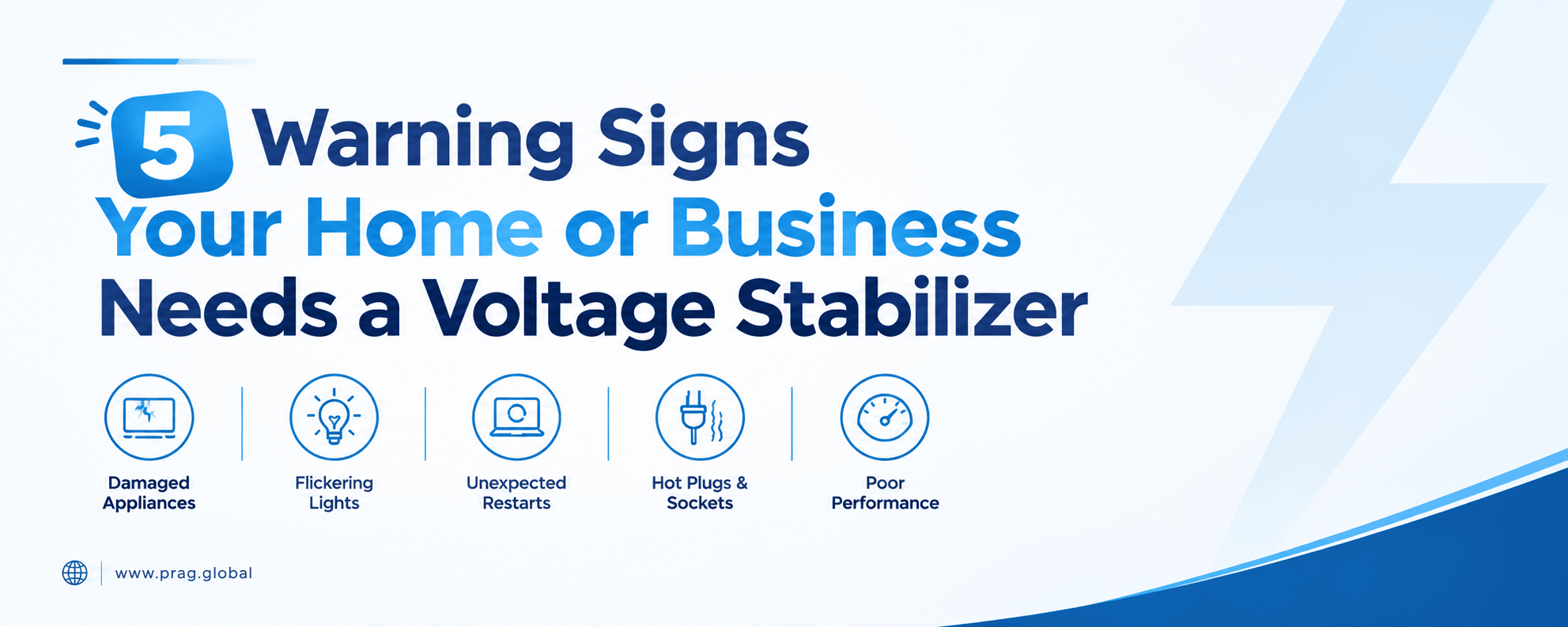
In today's world, electricity powers almost everything, from household appliances to industrial machinery. However, voltage fluctuations can affect equipment performance, cause unexpected faults and lead to costly repairs.
In Nigeria, where unstable electricity supply remains a concern for many homes and businesses, having the right voltage regulation solution is important. A servo stabilizer helps address this challenge by automatically correcting voltage variations and maintaining a more consistent output.
In this guide, we'll explore how servo stabilizers work, their benefits, applications and what to consider when choosing one.
What Is a Servo Stabilizer?
A servo stabilizer is an automatic voltage regulation device designed to maintain a consistent output voltage despite fluctuations in the incoming power supply.
It uses a servo motor-controlled mechanism to adjust voltage levels, helping connected electrical equipment receive a more stable supply within the stabilizer's operating range.
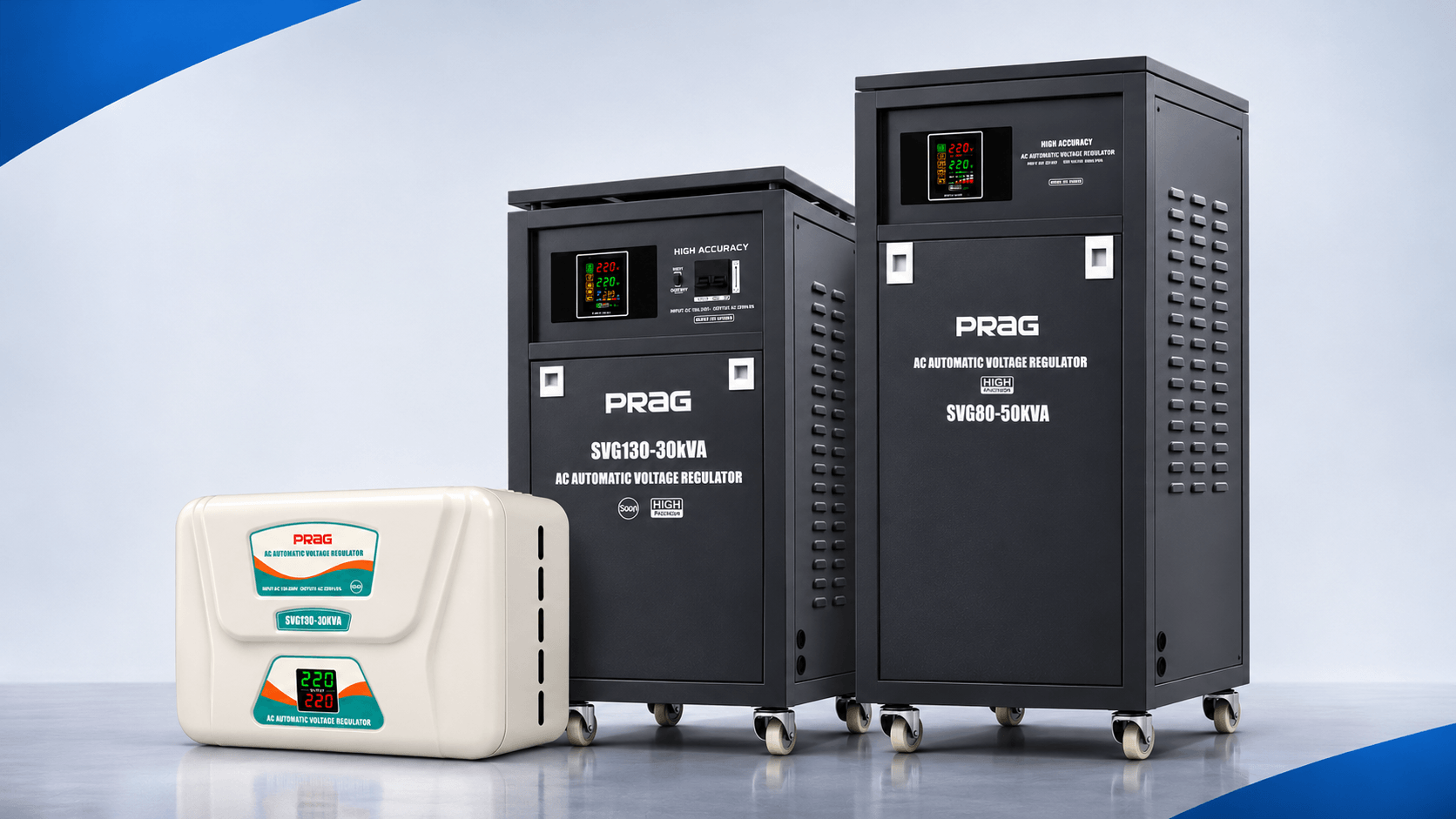
Servo stabilizers are commonly used in residential, commercial and industrial environments where voltage stability is important.
How Does a Servo Stabilizer Work?
A servo stabilizer uses three main components to regulate voltage:
- Servo Motor: Adjusts the position of the variable transformer to correct voltage variations.
- Buck-Boost Transformer: Increases or decreases voltage to achieve the desired output.
- Control Circuit: Monitors incoming voltage and signals the servo motor when adjustments are needed.
When the incoming voltage rises or drops, the control circuit detects the variation and activates the servo motor. The motor adjusts the transformer to correct the voltage, helping maintain a more consistent output.
Benefits of Servo Stabilizers
Servo stabilizers offer several advantages, particularly in areas with frequent voltage fluctuations.
- Precise Voltage Regulation: Automatically corrects voltage variations to maintain a more consistent output.
- Equipment Protection: Helps reduce voltage-related risks such as overheating and premature component failure.
- Automatic Operation: Monitors and adjusts voltage without requiring constant manual intervention.
- Wide Input Voltage Range: Depending on the model, some servo stabilizers can accommodate significant variations in incoming voltage.
- Additional Safety Features: Certain models include protection against over-voltage, under-voltage, overload and short circuits.
Applications of Servo Stabilizers
Servo stabilizers are suitable for different environments where stable voltage is important.
- Industrial Facilities: Help regulate voltage for compatible production machinery and industrial equipment.
- Medical Facilities: Support suitable voltage conditions for sensitive medical equipment.
- Offices and Data Centres: Help maintain stable voltage for servers, networking equipment and other electronics.
- Residential Buildings: Can regulate voltage for household appliances such as refrigerators, air conditioners and televisions.
The appropriate stabilizer depends on the equipment's electrical requirements and the stabilizer's capacity.
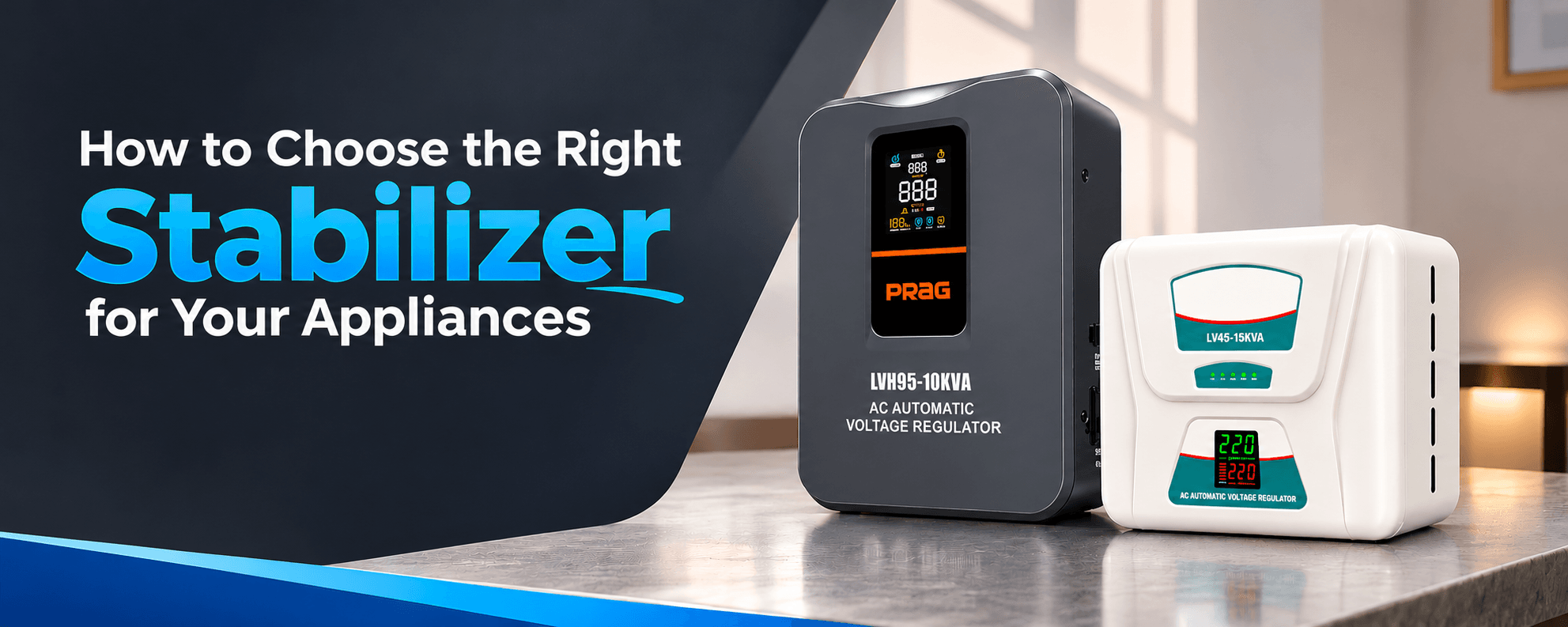
How to Choose the Right Servo Stabilizer
Before purchasing a servo stabilizer, consider these five important factors:
1. Load Capacity
Calculate the total power requirements of the equipment you intend to connect. Also consider the starting current of appliances such as refrigerators and air conditioners.
2. Input Voltage Range
Choose a stabilizer that can accommodate the voltage fluctuations experienced in your location. Models with wider input ranges may be more suitable for areas with significant voltage variations.
3. Phase Type
Determine whether your electrical installation requires a single-phase or three-phase stabilizer. This depends on your power supply and the equipment you intend to operate.
4. Protection Features
Look out for features such as overload protection, short-circuit protection, over-voltage and under-voltage protection, depending on the model.
5. Brand and Warranty
Choose a reputable manufacturer that provides clear product specifications, reliable after-sales support and a dependable warranty.
Maintenance Tips for Servo Stabilizers
Proper maintenance helps ensure your servo stabilizer continues to operate effectively.
- Keep the unit clean and free from excessive dust.
- Ensure adequate ventilation to prevent overheating.
- Arrange periodic inspections and servicing by qualified technicians.
Always follow the manufacturer's maintenance recommendations and avoid connecting equipment beyond the stabilizer's rated capacity.
Conclusion
Voltage fluctuations can affect the performance and lifespan of electrical equipment. A servo stabilizer helps address this challenge by automatically regulating incoming voltage and maintaining a more consistent output.
Whether for residential, commercial or industrial use, choosing the right stabilizer requires careful consideration of your electrical load, input voltage range and equipment requirements.
At PRAG, we are committed to providing reliable power management solutions for your home and business.
Explore PRAG Voltage Stabilizers and find a suitable solution for your needs.
Get PRAG.